
Open to all EICF Members
Voting is being conducted online, subject to prior obtention of the necessary credentials.
Opening Ceremony of the 34th EICF International Exhibition
Salutation by the EICF Chairman
=====================================================================================================================
Opening Ceremony of the 34th EICF International Conference & Exhibition, including EICF Welcome, Keynote about Sevilla Aerospace ecosystem w and Key Note presentation on Conference Theme
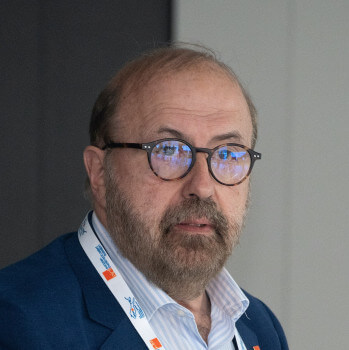
EICF Chairman , Dr Julio Aguilar shall be greeting attendees to the 34th EICF International Conference & Exhibition



Brief description of the Conference & Exhibition, structure, events and schedule
Coffee Break & Exhibition time
Technical Conferences & Cases Studies on Track 1 & Track 2 (see associated tabs for details)
Lunch shall be available during the Exhibition
Technical Conferences & Cases Studies on Track 1 & Track 2 (see associated tabs for details)
Coffee Break & Exhibition time
Technical Conferences & Cases Studies on Track 1 & Track 2 (see associated tabs for details)
Day one of the 34th EICF Conference & Exhibition ends
=====================================================================================================================
Panel Discussion on the Talent Management Cycle : Attract , Recruitment, Develop , Engage & Retain , Succession and Transition / Exit



Coffee Break & Exhibition time
Technical Conferences & AMIC Seminar on Track 1 & Track 2 (see associated tabs for details)
Lunch shall be available during the Exhibition
Technical Conferences & AMIC Seminar on Track 1 & Track 2 (see associated tabs for details)
Coffee Break & Exhibition time
Technical Conferences & AMIC Seminar on Track 1 & Track 2 (see associated tabs for details)
Presentations on Shell Systems
One of the more common defects associated with the ceramic shell process is shell cracking, especially in the dewaxing process where the shell is subject to forces from expanding pattern material during the initial phases of dewax.
There are commonly accepted measurements and properties used to determine shell strength. These methods mainly are based on flat bar specimens and require specialized equipment to conduct the test.This paper explores the development of a new and novel approach to measuring shell properties and better understanding shell cracking and, more importantly, resistance to cracking.
This method is intended to quantify a shell’s capability to resist internal pressure upand until fracture. Shell properties determined through this new method can be evaluated initially against traditionally measured shell properties measurements. Once this test is validated, benchmarking studies will be made to compare the results from various shell systems and shell construction combinations.
Investment casting ceramic shells are manufactured by successive layers of ceramic whose compositions and properties can vary from one layer to another. Some properties such as the permeability of the shell can result in local material defects.
The aim of this study is understanding the links between these specific properties, composition and microstructure evolutions as a function of temperature variations occurring during the manufacturing process.
A study was carried out on a ceramic shell at different temperatures from room temperature to 1600°C. Dilatometry was performed up to each temperature with a heating rate of 10 K/min and a dwell of 90 minutes. Material thermal expansion was observed from room temperature to 1100°C.
A significant shrinkage corresponding to the sintering process occurs mainly between 1300 and 1600°C which was confirmed between 1400 and 1600°C by scanning electron microscopy performed after each heat treatment.Moreover, XRD analyses showed a non-reactive sintering with zircon, mullite, corundum and silica.
The permeability was evaluated with a dedicated permeameter allowing the measurement of the intrinsic permeability, slippage and inertial factors. Permeability increased with temperature especially between 1000°C and 1600 °C while the open porosity measured with Archimedes’ method and the average pore size, assessed by mercury intrusion porometry, decreased with the temperature increase. However big pores formation was observed which could explain the permeability increase and solve the apparent contradiction between the permeability and porosity evolutions. Current work focuses now on comparing shells of different compositions and granulometry, as well as by layer by layer.

Reducing shell production time without compromising dimensional accuracy is a key challenge in investment casting.
This contribution presents a novel backup-layer shell system based on capillary suspension technology that enables a substantial acceleration of shell processing while allowing foundries to retain their established prime coat systems.
The approach focuses exclusively on the backup layers, where capillary-stabilized, highly loaded alumina slurries enable the deposition of thick, crack-free layers. Dimensional accuracy is preserved by maintaining the customer’s existing first layer formulation. Compared to conventional shell systems, the number of dipping steps required for shell build-up is significantly reduced, resulting in processing time reductions of up to 60 %.
Sanding steps are deliberately retained, primarily to enhance drying and increase throughput rather than to build shell thickness. This represents a shift from conventional systems, where stucco is the main structural element and the slurry mainly acts as a binder. In the presented system, the slurry itself provides the structural backbone of the backup layers. The resulting shells exhibit open, interconnected porosity, ensuring high permeability and reliable shell knockout. Case studies from pilot and industrial-scale trials demonstrate faster drying, reduced manual handling and consistent shell performance across different casting geometries.

Lunch shall be available during the Exhibition
Maintaining consistent slurry weight (density) and rheological consistency (viscosity) isa critical challenge in investment casting. Traditional measurement techniques, like efflux cups and manual plate weight, are offline, operator-dependent, and fail tocapture real-time process deviations, leading to costly shell defects.
Inline sensors also suffer from rapid fouling due to slurry deposition, requiring frequent maintenance and. downtime.
This paper details the performance and field data of the Rheonics SlurrySense SRD, an inline sensor for simultaneous, real-time density and viscosity measurement, integrated with CleanWave technology.
CleanWave is an active, self-cleaning feature using harmonic vibrations to prevent slurry buildup on the sensor. The system was installed in active investment casting slurry tanks to gather continuous field data.
We report on its performance, data reliability, and operational uptime, comparing continuous inline readings to traditional manual measurements. Field data demonstrates a high correlation between SRD readings and offline quality checks, eliminating the significant variability of manual methods.
The CleanWave technology proved highly effective, enabling uninterrupted, reliable monitoring without sensor fouling or manual cleaning. This continuous data stream provides unprecedented insight into slurry stability, evaporation, and mixing dynamics, facilitating a shift from reactive to proactive process control. This technology represents a robust, automated solution for optimizing ceramic slurry, leading to improved shell consistency, reduced defects, and lower operational costs. We also report on the underlying technology crucial for realizing a high-quality, control-grade signal for continuous slurry consistency control.

Sustainability and cost-efficiency are the primary drivers for innovation in modern foundries, where waste at the final stages of production leads to significant energy and material losses. This study presents an end-to-end digital transformation solution for quality control in investment casting. We developed a comprehensive automated framework that streamlines image acquisition via a custom-engineered camera system, synchronized with a deep-learning data pipeline to monitor the ceramic shelling process.
To ensure industrial-grade reliability, we benchmarked three distinct AI strategies for detecting flow-line defects and shell spalling: Mask R-CNN, nnU-Net, and a novel two-stage hybrid pipeline. The framework was specifically designed to mitigate the domain shift between controlled pilot data and automated image acquisition in a production environment.
By evaluating three strategies on-site, we identified an optimal inference strategy that maintains high precision despite production-floor complexities. By enabling early-stage defect identification, this digitized solution prevents the energy-intensive sintering and casting of defective shells, offering a scalable blueprint for sustainable Industry 4.0 foundries.

Coffee Break & Exhibition time
This paper provides an in-depth examination of a fundamental yet often overlooked stage within the investment casting workflow: the washing and etching of wax patterns prior to slurry application. Despite its widespread use across the industry and its recognized importance in promoting consistent and reliable prime-coat adhesion, the scientific insight on the subject is limited.
We first review existing literature and prior art to identify what is currently known—and unknown—about pattern washing technologies. We then examine the functional role of pattern wash solutions, asking whether they solely remove release agents or also etch and roughen the wax surface to enhance coating performance. Process-parameter effects on pattern wash behaviour are evaluated, followed by the introduction of a new in-house test method designed to measure pattern wash effectiveness over time and under production conditions.
Taken together, these findings contribute to a more rigorous understanding of wax pattern washing and etching, offering new insights that can support improved reliability, reproducibility, and optimization within investment casting operations.
Surface energy is a key parameter to predict the wetting and adhesion of the prime coat. The measurement of surface energy is complicated as it varieson the location of the wax pattern itself and is highly influenced by geometry, pattern preparation, storage time, die release agents, washing and etchingprocedures and finally the wax composition itself. This paper handles the surface energy measurement itself and its difficulties and variation upon thesurface. As the surface energy is badly understood, foundries struggle depending on these parameters mentioned and are sometimes forced to useroughening, glueing and having extensive washing and etching procedures of the wax patterns to obtain the right surface energy and prime coatwetting and adhesion. Also the formulation of prime coat is crucial as e.g. wetting agents play an important role to overcome surface energies problemsand differences. Also aging times and effect on the surface energy is discussed and foundry examples and recommendations. Finally foundry examplesare shown of border line surface energy levels and its consequences. Also the effect of washing, etching and storage time will be discussed to give practical insights and best practices. At the end developments in the wax chemistry are discussed with latest developments towards the latest highsurface energy casting waxes. These high surface energy waxes make the investment casting process more robust as they are less dependent ongeometries, storage times, die release agents and washing procedures.

The aim of the study was to investigate and research the wax surface energy properties, to establish if these can be enhanced to prime coat application of ceramic shell material. Whilst chemical wetting agents can be added to the prime coat to help it with the process of coating the wax material, wax by its nature naturally repels water-based liquids.
Factors such as surface finish of the injected wax material, certain wax pattern release agents, and finished wax assembly wash systems can affect the application of the prime coat to the wax material.
Working along side our partner Eco-Point Laboratories Ltd, a series of trials have taken place to review how improvements can be made to the wax pattern surface. This work aims to show the surface energy properties of wax material and the results of the laboratory trials.
Our paper aims to review the possible use of material additions to the wax formulations, existing wax pattern wash applications, and a development of a possible novel approach to improving the surface energy of the finished wax pattern. The final goal is to improve the investment casting process.

=====================================================================================================================
The design of filling and feeding systems in the investment casting process is typically carried out using fixed manufacturing parameters, without accounting for the natural variation caused by equipment calibration and production fluctuations. In this study, the robustness of the proposed system was evaluated prior to production by predicting shrinkage through iterative simulations using ProCAST. These calculations proved to be a critical factor, enabling a deeper understanding of the individual and combined effects of process variables on shrinkage formation. The insights gained from the simulations support early modifications to the system or adjustments to process parameters, both of which help reduce the risk of defects or minimize their occurrence during production. This methodology reduces trial-and-error by identifying optimal process windows that consistently yield high–quality parts.

Process definition for investment-casting is traditionally established through iterative trials to mitigate defect formation. This empirical strategy is resource-intensive and introduces significant latency in the industrial introduction of new castings. In the present work, a simulation-first methodology is implemented to formalize process development using ProCAST with its PAM-OPT module. A structured Design of Experiments (DOE) is constructed to interrogate the influence of key process parameters—including pouring temperature, alloy superheat, mold preheat, alloy–mold interfacial heat-transfer coefficients, filling characteristics, and external cooling conditions—within physically admissible bounds defined by foundry practice. Statistical analysis of the DOE output enables quantification of parameter sensitivities with respect to shrinkage-porosity volume, solidification chronology, and hotspot persistence. Parameters exhibiting negligible influence are systematically excluded, yielding a reduced and physically relevant subset for optimization. This refined parameter space is subsequently employed to compute an optimized process configuration targeting minimum predicted porosity while maintaining manufacturability constraints. The optimized solution is evaluated through a robustness assessment incorporating parameter perturbations representative of realistic production variability, allowing verification of solution stability under non-ideal conditions. The results will demonstrate that a simulation-driven workflow can establish viable operating windows prior to the first physical trial, substantially reducing iteration cycles and accelerating process maturation. The methodology developed here can be consolidated into a structured knowledge base to support predictive simulation within the investment-casting domain. This work, with further refinements and validation under industrial conditions is in progress.

The exploitation properties of castings depend on the geometry and the volume of phase componentsin the material's microstructure. This includes the casting's porosity, which should be considered also as phasecomponent. The primary factor shaping the casting's microstructure is the cooling rate of the alloy during itscrystallization. The authors present various methods for determining this rate using Secondary Dendrite ArmSpacing (SDAS) measurements and supporting by different simulation programs. The practical applicationof one of the methods for characterizing a thin-walled, cored blade made of a nickel superalloy and the impactof cooling rate on the phase components of the microstructure is demonstrated. Results of the wax meltingprocesses analysis in boilerclave and the evaluation of residual stresses generated by sandblasting is alsopresented.

Lunch shall be available during the Exhibition
Nowadays, simulation technologies have become indispensable in modern foundries for optimizing processes and ensuring high-quality cast components. In this context, terms such as “digital twin” and “process optimization” have gained significant importance. Artificial intelligence (AI) promises to further expand the capabilities available to foundry engineers and dramatically simplify the design of both casting systems and components. Is AI truly the key to securing the future competitiveness of investment casting foundries?
This paper will examine this question and first illustrate how a digital twin is currently applied in practice. Building on existing and enhanced methods, it is already possible to manufacture cost-efficient, high-quality components using robust and reliable processes. An example will be presented to highlight recent developments, with a particular focus on an improved physical model that more accurately represents the ceramic shell.
In the second part of the paper, recent developments aimed at achieving a controlled solidification process will be presented. These methods contribute, for example, to reducing porosity formation by enabling a smoother and more directed solidification path.
The final section of the paper explores potential applications of artificial intelligence within the context of casting process simulation. Building on existing and improved methods, the concept of generative design for investment casting will be illustrated. In the future, users of simulation tools will have access to a wide range of AI-based assistance systems that simplify result evaluation and support the automatic generation of generic component and gating geometries.

Optimizing investment casting processes typically requires numerous design and parameter adjustments, making traditional experimental iteration costly and slow. While numerical simulation has reduced the reliance on full-scale trials, its long computation times still restrict the number of design variants that can be assessed within practical development windows. To overcome this bottleneck, artificial intelligence (AI) provides a scalable alternative by enabling rapid estimation of quality-critical outcomes directly from simulation-derived knowledge. In this paper, we present an AI-based surrogate model for porosity prediction trained exclusively on physics-informed simulation data, capturing the relationships between gating design choices, thermal behaviour, and solidification-induced microporosity. A series of rapid, small-scale simulations of critical casting regions was conducted to generate a structured dataset suitable for machine-learning model development. Building on this dataset, we developed an end-to-end ML pipeline capable of ingesting results from existing simulation workflows and producing near-instant porosity predictions for new design or process configurations. The surrogate model reliably identifies parameter combinations that reduce porosity formation and supports the selection of more robust gating and process settings. Integrating this AI-driven approach into the casting development workflow significantly increases evaluation efficiency, expands the number of configurations that can be explored, and minimises dependence on costly, time-intensive trials. The results demonstrate a practical route for embedding AI-assisted decision support into industrial investment-casting optimisation.
Coffee Break & Exhibition time
Data and segments trend IC Market 2025 - Region Europe
Data and segments trend IC Market 2025 - Region North America

Data and segments trend IC Market 2025 - RoW


Day one of the 34th EICF Conference & Exhibition ends
The production of advanced superalloy components for aerospace, power generation, etc., applications is typically carried out by Vacuum Precision Investment Casting (VPIC) process.
These castings are generally high value added, so there is a technical and economic desire to reduce and prevent casting defects and rejected parts.
One of the most critical defects are the inclusions connected to the dross from the molten metal. It is an issue that can happen due to different reasons, and the impact on final casting quality can be high.
Quantification of the dross has traditionally been made visually based on comparative charts; but this is a subjective and non-consistent process whose result is very connected to the skills of the operator carrying out the task.
This paper shows a system for automatic dross evaluation developed by Consarc, which guarantees an accurate and consistent quantification of the dross of the molten metal, permitting the control of the defects related to this particular issue on vacuum precision casting process.
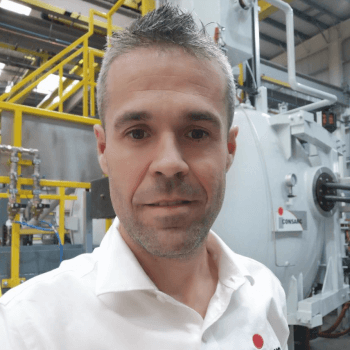
The improvement of directional solidification control for single-crystal castings made from nickel-based superalloys is pursued for several critical reasons. The primary objective is to enhance casting quality by eliminating casting defects and refining the dendritic microstructure, specifically by reducing the Primary Dendrite Arm Spacing (PDAS). Anothe rimportant goal is to increase process efficiency—both by reducing scrap rates and by increasing the withdrawal rate of the mold.
Control of casting solidification is achieved by managing heat flow within the mushy zone, which can be implemented through various methods. This study presents original research focused on improving solidification control techniques, including enhancements to the mold cooling system and modifications to the mold design itself. The results demonstrate, among other findings, that the introduction of multiple horizontal thermal baffles between the central chill and the castings significantly increased the thermal gradient at the solidification front, which in turn reduced the PDAS parameter.
Furthermore, positioning thermal baffles at the height corresponding to defect formation zones effectively eliminated these defects by locally altering solidification conditions, primarily through reducing the curvature of the temperature profile. The application of gas cooling to the mold improved the cooling rate of the casting and consequently enabled changes in directional solidification conditions and the dendritic microstructure of the single crystal.

Crucibles are critical components in alloy melting operations, serving as containers that must withstand extreme thermal and chemical environments. During service, they are exposed to highly reactive molten metals while often operating near their thermal and mechanical limits. Consequently, crucibles must demonstrate chemical inertness to the melt, energy efficiency, mechanical robustness, and long service life. Crucible composition formulation requires continual optimization and stringent quality control to account for variability in raw material properties.
Global market dynamics increasingly introduce new challenges, such as higher operating temperatures for novel alloy compositions, greater purity requirements to reduce melt contamination, and cost sensitivity in an intensely competitive environment.
Additionally, geopolitical risks aecting the availability and stability of key raw materials, such as zircon sources and refractory oxides, have complicated supply chain management and material development efforts.
This presentation examines the properties and performance characteristics of hydraulically pressed zirconia crucibles for various alloy systems, with an emphasis on superalloys used in investment casting. It also compares crucible service life across different compositions and operating conditions. The presentation details the development of a modified crucible composition through market assessment, laboratory research, and progressive alpha and beta trials conducted in collaboration with external laboratories and university labs. The study highlights options for full traceability back to each raw material and manufacturing step.

Lunch shall be available during the Exhibition
Tecnalia, in collaboration with EIPC, has successfully advanced the development of high-performance aluminum castings through the investigation of Al-Cu and novel multicomponent aluminum alloys. The project focused on optimizing casting processes, heat treatments, and alloy compositions to achieve enhanced mechanical resistance meeting stringent aerospace specifications. Two alloy systems were systematically evaluated, with emphasis on casting techniques, cooling conditions, and thermal processing to improve microstructure and strength. Pilot-scale castings were produced at Tecnalia’s CIRMETAL facility, followed by detailed microstructural and mechanical testing, which confirmed significant improvements in alloy performance. Based on these results, commercial-scale components were fabricated using the Al-Cu alloy, demonstrating the feasibility of producing high-strength castings for demanding aerospace applications. The findings highlight the effectiveness of an integrated approach to alloy and process development, aligning with the conference theme of People, Skills & Knowledge: The Future Workforce of Investment Casting. This work contributes to Materials & Process Development through the development of new high-performance aluminum alloys and the refinement of casting and heat treatment protocols. The project also underscores the importance of skilled engineering and cross-disciplinary collaboration in driving innovation in investment casting. Future work will focus on ensuring the repeatability and robustness of the process to enable reliable industrial adoption of these alloys in aerospace and other high-value sectors, supporting sustainable growth and technological advancement in the foundry industry.

Manual assembly of wax components in investment casting is labor-intensive, limiting efficiency and reproducibility, while automation has so far been restricted to small, uniform, high-volume components. Recent advances in collaborative robotic systems enable their application to more complex and variable assemblies and are investigated within the LuFo research project GATE using a representative aerospace geometry. Flexible automation approaches are being developed to replicate and enhance the traditional wax assembly process, aiming to achieve reproducible adhesive wax joints of sufficient quality for assemblies across multiple planes in the wax cluster. The automated workflow focuses on precise application of wax patterns during assembly. Collaborative robots provide a simpler, more flexible programming approach than classical industrial robots, allowing intuitive adjustment of positions and sequences, while integrated force-torque sensors in all joints enable sensitive, contact-aware manipulation. Using a digital twin, automation setups with various hardware configurations can be fully designed virtually, and programming sequences and positions can be adapted before implementation on physical components. To systematically evaluate joining concepts, a reconfigurable cell with three interacting robotic arms has been established, providing closed-loop control of heating, positioning, and contact forces. As interim results, the cell was commissioned, and an additionally automated setup for producing standardized wax joint specimens for tensile testing was implemented. Commissioning runs indicate repeatable specimen production and joint formation, enabling quantitative evaluation of strength and reproducibility across parameter sets. The work concludes that collaborative-robot-based wax assembly can meet the flexibility needs of multi-plane, variant-rich aerospace clusters while improving process consistency and efficiency.

Coffee Break & Exhibition time
To improve engine efficiency, turbine blades require complex internal cooling channels to withstand extreme temperatures. Traditional ceramic core manufacturing faces long lead times and high costs. Additive manufacturing (AM) offers a rapid, flexible alternative, enabling complex geometries with high accuracy. This approach facilitates rapid prototyping and fast design iterations, significantly accelerating turbine blade development cycles. The investigation encompassed additive manufacturing of ceramic cores and of wax models, optimization of sintering and pre-heating process to improve core stability, and integration of core support within the ceramic shell. In this study, ceramic cores were produced using a vat photopolymerization process (LCM) with a SiO2 based slurry. Wax patterns were printed with MultiJet print technology (MJP). Comprehensive quality assessment of cast MAR M247 LC turbine blades was conducted, including X-ray radiography and computed tomography (CT)-analyses, as well as scanning electron microscopy (SEM) imaging to evaluate reactions and tactile roughness measurement to determine surface quality. These analyses provide detailed insights that support further optimization of the investment casting process. The results demonstrate that additively manufactured ceramic cores combined with printed wax patterns allow a tool-less manufacturing of complex turbine blades with internal cooling passages within several weeks instead of month. However, further optimization of ceramic material system is required for high-performance superalloys with elevated hafnium content, such as MAR M247 LC. Future work will focus on refining material formulations and printing strategies to improve process reliability for industrial applications.

Since the 1950’s, efflux time has been used as a viscosity control method. The first official tool being the Ford Viscosity Cup. Viscosity is the specification that drives shell thickness & mass, drain time, and the number of coats used to build a satisfactory shell. Efflux time for measuring viscosity is a subjective measured value as end point determination and reaction time of the operator can influence final viscosity value. Herein, we present an alternative to viscosity measurement by efflux time, that boasts improved repeatability and, when monitor & notification features are enabled, reduced process variation to 1 cSt standard deviation. Hand cup measurement with ± 1 cup seconds allows for a 3.5 cSt variability, > 3 x that of novel solution. The 3D TRASAR™ for Shell Control program combines Rheonics’ SlurrySense with Cleanwave for real-time density, temperature and viscosity measurement with Ecolab’s 3D TRASAR controller for digital process monitoring and control. Continuous monitoring allows for real-time decision making, increase in process uptime, reduction in labor inefficiencies, and improved process consistency when compared to the conventional viscosity control technique. We will present a case study leveraging this sensor and controller technology to replace manual cup readings leads to safety improvements, increase in production uptime, and reduction in waste.


HIP involves the simultaneous application of a high-pressure inert gas (up to207 MPa) and an elevated temperature (up to 1400°C) in a speciallyconstructed vessel. The pressure applied is isostatic because it is developedwith a gas. Under these conditions of heat and pressure, internal pores ordefects collapse and weld up.HIP can be applied to castings and additively manufactured parts, toconsolidate powder metallurgy materials into fully dense components andto bond dissimilar materials together.HIP gives improved mechanical properties and a reduction in the scatterband of properties
=====================================================================================================================
As the investment casting market continues to evolve, Safran Aircraft Engines has decided to invest in a new facility in France.
Located in the heart of Brittany, the Safran Turbine Airfoils entity will specialize in two activities:
- The investment foundry, dedicated to the production of turbine blades for two flagship programs: the M88 military engine and the LEAP civil engine.
- Repair of turbine blades for the LEAP engine.
Operational in 2027, this site will employ around 500 people and will work in close synergy with the networks of the Industrial Centre of Excellence for Turbine Blades and Repair.
A true "showcase" plant, Safran Turbine Airfoils will integrate the latest innovations in the factory of the future and will benefit from the highest standards in terms of energy performance.
Process development, automation, data acquisition, and analysis for enhanced process understanding, continuous improvement, and employee safety remain critical objectives across manufacturing operations.
A greenfield startup offers a rare opportunity to integrate these priorities from inception, guided by the principle: “If we knew then what we know now, how would we design it better?”
This presentation outlines SeAH Superalloy Technologies’ approach to establishing a state-of-the-art facility for superalloy production. Key topics include assembling an experienced team, developing advanced melting and processing methodologies, and implementing cutting-edge technologies to achieve operational excellence.

The investment casting industry is experiencing a critical shift as experienced engineers retire and new talent must rapidly acquire complex process and methoding knowledge. This presentation introduces a practical AI-agent approach designed to help foundries preserve, reuse, and transfer technical know-how without compromising confidentiality. The system builds on the emerging 7Epsilon-FMEA-GPT framework, which can interpret, structure, and relate decades of investment casting knowledge—including design choices, process variables, defect mechanisms, and lessons documented in conference proceedings—through natural-language interaction. Engineers can ask targeted technical questions and receive responses grounded in curated knowledge with full traceability to original sources, while each company retains strict control over its proprietary information through secure, isolated environments. The presentation will also outline the architecture currently being developed for EICF GPT, a specialised AI assistant that combines curated EICF conference material with the 7Epsilon-FMEA-GPT reasoning workflow. Early prototypes show how AI agents can support new and existing engineers with consistent FMEA development, structured root-cause analysis, and access to relevant historical insights that would otherwise remain hidden in documents or personal memory. The goal is not to replace human expertise but to strengthen workforce capability, accelerate training, and ensure that critical foundry knowledge is not lost. The talk will share initial results, practical examples, and the roadmap for how AI-enabled knowledge preservation can support the future workforce of investment casting.
Lunch shall be available during the Exhibition
Education in manufacturing technologies at the university level is undergoing a significant transformation, accelerated by the rapid development of industrial innovations. In the field of investment casting, new technological and process-oriented approaches—ranging from additive manufacturing of patterns and ceramic shells to advanced simulations, collaborative robots, and automation, as well as smart process control—are reshaping the competencies required of future engineers. The new generation of students prefers digital, visual, and highly interactive learning formats, which creates a strong need to modernize teaching methods and integrate tools such as virtual reality, digital twins, advanced simulation software, data mining, and the application of AI in engineering tasks. These technologies enable students to better understand the complex phenomena involved in producing precision castings while supporting more effective knowledge transfer. To prepare competitive graduates, it is therefore essential to develop new courses focused on intelligent process management, digital manufacturing, and integrated engineering methods, and to adopt innovative teaching strategies that reflect both current industrial needs and student expectations. The paper will present new approaches in teaching with the implementation of AI and VR approaches.

EMA began production 28 years ago and immediately leveraged the expertise of its partner Rolls-Royce to enhance its staff’s skills. Over time, ongoing training, including through financial incentives, has enabled the acquisition of specialized skills and increased staff expertise. EMA’s prestige, its range of products, and its high-tech industrial processes attract people, making EMA a social and employment hub in a remote, sparsely populated area. We have observed that the skills once required to work in the investment casting sector are no longer sufficient. It is increasingly important to develop digital skills capable of interconnecting process, product, and production facilities data, as well as competencies in automation and system safety, and to enhance analytical capabilities. For this reason, it is essential to explore these cross-cutting issues in depth. EMA is able to do so thanks to the strong synergies developed with universities and research centers. Local universities provide the majority of EMA’s graduates and collaborate with EMA on numerous R&D projects. A highly valuable project in terms of skills development and strengthening connections with universities is the “EMA Gen Z Program”. Through a structured process of employer branding and research, it has included 11 young graduates (both male and female) in a one-year internship program, fostering generational exchange in terms of skills and mindsets. The UNI/PdR 125 certification highlights EMA’s commitment to cultural and social aspects and to the well-being of its employees, including through social events involving their families.

Coffee Break & Exhibition time
The investment casting sector is facing a critical workforce transition as experienced metallurgical engineers retire and demand for technical talent outpaces the supply of new graduates. The U.S. aerospace metallurgy community exemplifies this challenge, compounded by COVID-related production slowdowns and accelerated retirements, which have intensified the need for systematic knowledge transfer. SeAH Superalloy Technologies, a greenfield superalloy manufacturing enterprise, has addressed these issues by implementing strategies to attract senior technical experts, mid-career engineers, and early-career professionals while integrating emerging technologies essential for next-generation manufacturing. This presentation will examine methodologies for converting individual expertise into institutional process knowledge, leveraging automation and systems integration to embed best practices, and ensuring continuity of technical capability in a rapidly evolving industry.


The increasing complexity of modern investment cast parts necessitates stringent control over every production parameter, from the initial wax pattern to the final cast metal, with the ceramic shell being of paramount importance. This paper offers a glimpse into our laboratory, showcasing the capabilities of both classic and cutting-edge investigation methods for ceramic shells and their raw materials. We will present advanced techniques, such as micro X-ray Fluorescence (μ-XRF), which enables a comprehensive analysis of the chemical distribution across an entire shell and Heating XRD which provides real-time insights into phase transformations during shell firing. These findings enable us to support customers in optimizing their ceramic shells, recommend suitable materials, and generate insights for future material development. These kinds of investigations require a high level of technological education and knowledge of the tools and laboratory equipment, the materials that are used in the different process steps, and also the technical application and production process in the investment casting foundry. We will present how we train our young technicians and scientists in this respect and how we get them prepared and set them up for the current and future requirements.

Day one of the 34th EICF Conference & Exhibition ends
This opening event will provide a relaxed and informal setting for delegates to connect, meet new industry peers, and rekindle existing relationships. Taking place on the first evening of the conference, it sets the tone for collaboration and dialogue throughout the event, allowing a first glance of the Exhibition
A highlight of the conference, the Gala Dinner will offer a more formal and elegant environment, combining fine dining with opportunities to engage in meaningful conversations. This evening will celebrate the investment casting community, providing a unique platform for networking while enjoying a memorable social experience.
A highlight of the conference, the Gala Dinner will offer a more formal and elegant environment, combining fine dining with opportunities to engage in meaningful conversations. This evening will celebrate the investment casting community, providing a unique platform for networking while enjoying a memorable social experience.